Why Choose Arbtech?
Watch this video to see why Arbtech are the best asset you can possibly have when you need ecology or tree surveys to help you obtain planning permission.
Various industries have left areas of historic contamination across Hampshire. When dealing with such sites, contaminated land risk assessments may well be required: our experienced consultants can help.



Hampshire County Council manages contaminated land to ensure safe and sustainable development across the county. While the council oversees strategic planning matters, responsibility for identifying and remediating contaminated land rests with the local authorities within Hampshire.
Hampshire’s diverse geology, including chalk, clay, and gravel formations, can influence the mobility and persistence of contaminants in the environment. Land declared contaminated may contain substances such as solvents, heavy metals, gases, oils, tars, asbestos, or radioactive materials in quantities that could present an unacceptable risk of significant harm to human health, controlled waters, environmental health or further pollution incidents..
Historical land and industrial activities have contributed to land contamination issues in the county, including:

Hampshire County Council, along with the county’s district and borough councils, is bound by legislation in Part iia of the Environmental Protection Act 1990. This mandates local authorities to adopt a contaminated land strategy, inspect land that may be contaminated, maintain a public register of such sites and oversee remediation work to protect human health and the environment.
Also, Paragraph 197 of the National Planning Policy Framework states that responsibility for safely redeveloping contaminated land is placed on the developer or current land owner, referencing the polluter pays principle.
To provide consistent guidance and assist developers, the Hampshire and Isle of Wight Contaminated Land Liaison Group, comprising representatives from all Hampshire local authorities and the Environment Agency, has produced the `Development on Potentially Contaminated Land’ guidance document. This document outlines best practices and provides further information for assessing and managing contaminated land sites during development. Thorough site investigation and compliance with this guidance can prevent the possibility of regulatory action or a remediation notice being served on a site in future.
The redevelopment of brownfield (previously developed) land is supported by the council. While such land may be contaminated, reusing it reduces the need to build on greenfield areas and ensures that development happens in convenient locations. This strategy means that due consideration must be paid to any former pollution incidents on brownfield land sites by the current landowner to ensure that during development, these sites are left in such a condition that no further unacceptable risk exists.
The council’s development plan policy states: “Development affecting contaminated land will be permitted provided that the site is suitable for its intended use.”

If you’re considering developing a potentially contaminated site in Hampshire, it is likely that a contaminated land risk assessment and site investigation will be required. Start by following these steps:
By careful management of contaminated land, Hampshire County Council aims to ensure effective development while eliminating any significant possibility of harm to human health, environmental health or pollution incidents. Redeveloping historically contaminated sites such as landfill sites to create usable spaces is an important part of the council’s vision of urban regeneration alongside environmental care.
Adherence to legislation in part iia of the Environmental Protection Act 1990 and the council’s contaminated land inspection strategy will ensure that future pollution risk is minimised.
For further information or to discuss specific questions about a site, please contact Arbtech’s experienced geo-environmental consultants who can help you to devise a contaminated land strategy. Simply fill in our quick quote form at the top of this page with your contact details.

Gill is our Editor, with a background that combines journalism with land and estate management. Gill is a farmer’s daughter, an associate member of the RICS and has an interest in all things to do with agriculture and the countryside. Her free time is spent on the tennis court, walking and improving her cooking skills.
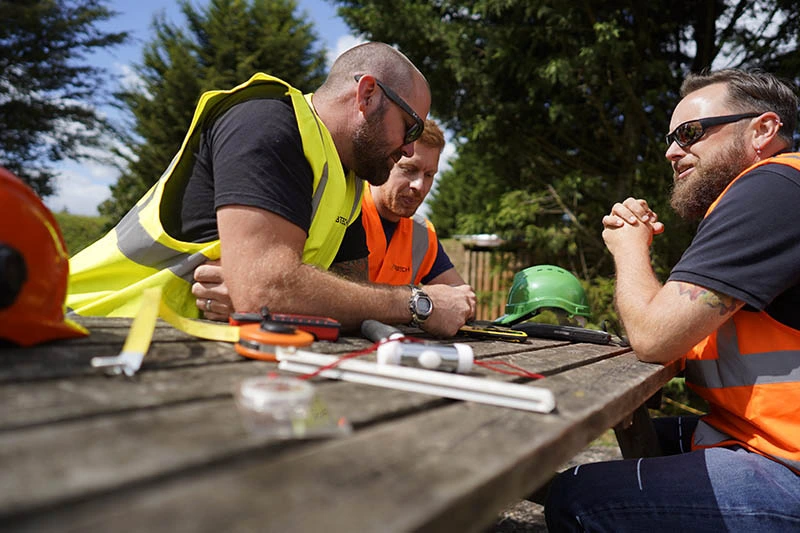
Arbtech are your best asset when it comes to getting planning permission for your project. We cover the whole of the UK and we are waiting to get started on your project...
Get Your Free Quote