Why Choose Arbtech?
Watch this video to see why Arbtech are the best asset you can possibly have when you need ecology or tree surveys to help you obtain planning permission.
If you have a development site and need to provide a contaminated land risk assessment as a planning requirement, our expert team of geo-environmental consultants provide surveys in Plymouth and across the UK.



Plymouth’s maritime history has evolved over years of shipbuilding and manufacturing which have led to areas of contaminated land. Common contaminants left behind include heavy metals, oils, tars, chemical substances, and gases. Guided by national legislation, Plymouth City Council manages such polluted land to ensure public health and environmental safety while promoting sustainable development.

Disturbing contaminated land can create new pathways for pollutants to spread, potentially impacting people, water sources, or ecosystems. For there to be a real risk, three factors must be present: identified contamination, a pathway for pollutants to travel, and a receptor (such as people or the environment). If any of these factors are missing, the risk is minimal.
Contaminated land is legally defined under Part 2A of the Environmental Protection Act 1990. This legislation states that land is considered contaminated if substances in or beneath it pose significant risks to health, property, or the environment. Local planning authorities are responsible for identifying such land and ensuring it is properly remediated.
When managing a contaminated site, three key principles apply:
According to the National Planning Policy Framework Paragraph 197, responsibility for correctly redeveloping contaminated sites lies with the developer, landowner, or both. Local planning authorities are responsible for remediating land that poses a significant risk to public health or the environment.

If a contaminated land risk assessment is required for a planning application, the first step is to consult the local authority’s planning department. A pre-application consultation will clarify any contamination concerns and outline the necessary reports.
A geo-environmental consultant can conduct a contaminated land risk assessment, following the Environment Agency’s Land Contamination Risk Management guidelines:
A contaminated land assessment outlines the necessary steps to remediate land, ensuring it can be safely redeveloped. By following the proper procedures, developers can meet regulatory requirements set by the Environmental Protection Act and Environment Agency guidelines.
Arbtech’s experienced geo-environmental consultants specialise in contaminated land surveys for planning applications. To find out more, fill in the quick quote form at the top of this page.

Editor at Arbtech, Rob is a content specialist who manages our ecology and arboriculture services copy to ensure it is accurate, up to date, and insightful for current and future clients.
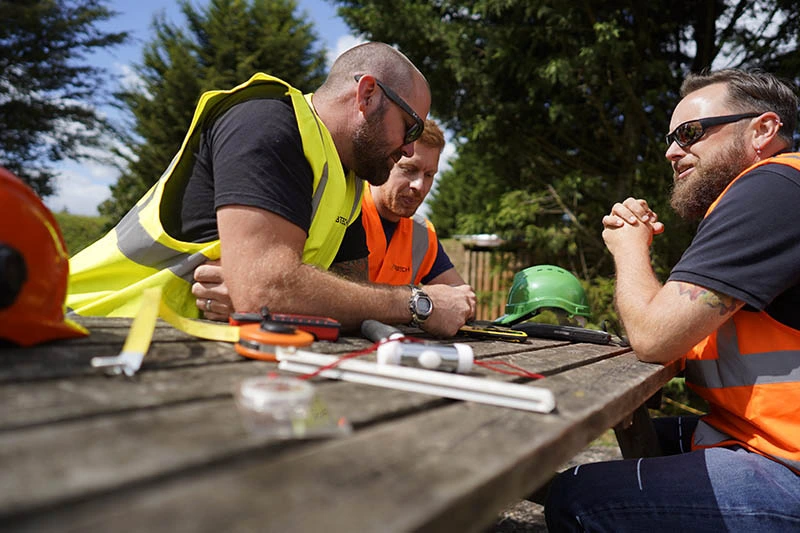
Arbtech are your best asset when it comes to getting planning permission for your project. We cover the whole of the UK and we are waiting to get started on your project...
Get Your Free Quote