Why Choose Arbtech?
Watch this video to see why Arbtech are the best asset you can possibly have when you need ecology or tree surveys to help you obtain planning permission.
Invasive plants are scattered all over the UK, risking the safety of native plants and the progress of developments. All invasive alien species are listed as being cause for concern, and on our full invasive species list, you can see all plants under the control of the law.



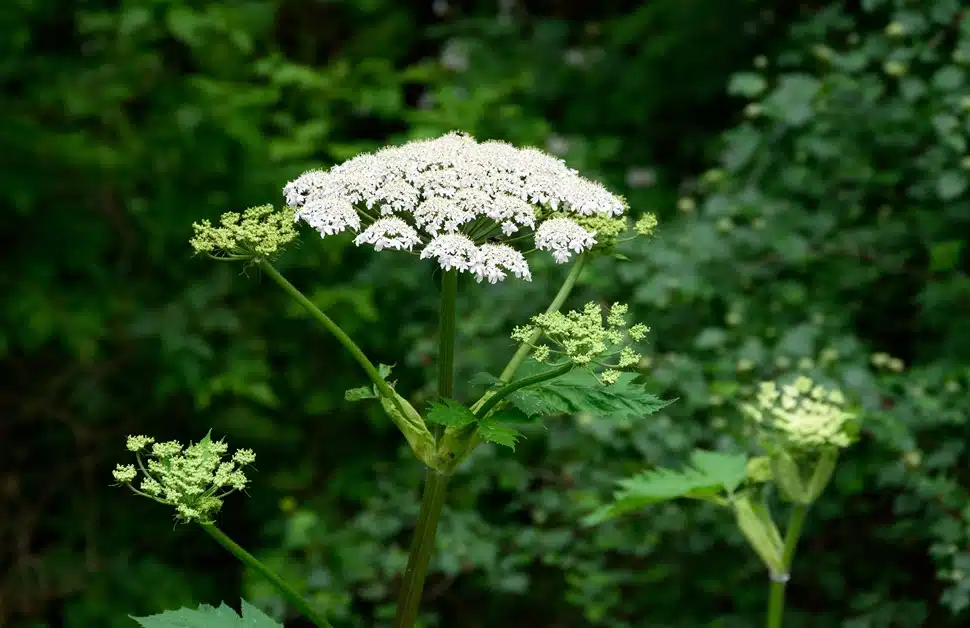
Invasive species can have a negative impact on native ecosystems and infrastructure, making them a significant issue when it comes to staging a planning project. Whether there’s evidence of invasive species on a site or even a small chance they could be, an invasive species survey will be needed before a developer or planner can realistically move forward and secure planning permission.
Also known as an invasive non-native species and invasive alien species, invasive species are organisms outside of their natural range that have the ability to create widespread environmental and economic damage.
Although they can include animals like the American mink (Neogale vision), Asian hornet (Vespa velutina), Chinese mystery snail (Cipangopaludina chinensis), grey squirrel (Sciurus carolinensis), muntjac deer (Muntiacus), New Zealand flatworm (Arthurdendyus triangulatus), North American bullfrog (Lithobates catesbeianus) and ruddy duck (Oxyura jamaicensis), the term usually focuses more on invasive non-native plants, such as Japanese knotweed and giant hogweed.
While certain species are known as being more common than others across Great Britain, the full catalogue of listed invasive species is actually far larger. If you’d like more of an idea of the alien plants named by the UK government as being a cause for concern, see our extensive invasive species list below:
A multi-layered approach is needed to resolve any issues caused by invasive species.
From the correct identification of a certain species to the responsibilities of corresponding organisations and the threat of legal enforcement, Arbtech explains the solutions used to control and manage the environmental threat from alien plants.
With accurate invasive species identification, a control plan can be created that is effective for the behaviours and limitations of the plant in question.
Each non-native plant species has tell-tale signs, such as aquatic plants forming dense mats that slow the water flow in rivers and Japanese knotweed producing distinctive reddish-purple stems in spring.
Our ecological consultants are capable of identifying invasive species in a way that goes beyond a standard visual check. During a preliminary type of ecological survey, one of our team will notice the subtle differences between regulated invasive species and non-problematic native plants, saving you time and money.
Several different organisations work together to limit the spread of harmful organisms.
The Non-Native Species Secretariat (NNSS) coordinates the efforts across the UK, and local authorities often enforce local management plans and place restrictions on land use whenever invasive plants are present.
Certain species are also placed on the Union Concern List – an official EU index that bans the keeping, sale and transport across the entire bloc.
Alternatively, any species that has been removed from a regulated list is considered ‘de-listed’, but it is rare for this to happen.
The control of invasive species is a legal requirement and not an optional ecological choice.
Legislation like Schedule 9 of the Wildlife and Countryside Act 1981 makes it a criminal offence to plant or otherwise cause listed alien plants to grow in the wild.
On top of this, the handling and disposal of materials contaminated with listed species is also highly regulated. Instead, any such materials must be treated as controlled waste and disposed of, but only by licensed carriers and at approved sites.
Any form of invasive species legislation is designed to demonstrate the serious nature of the special concern for our environment.
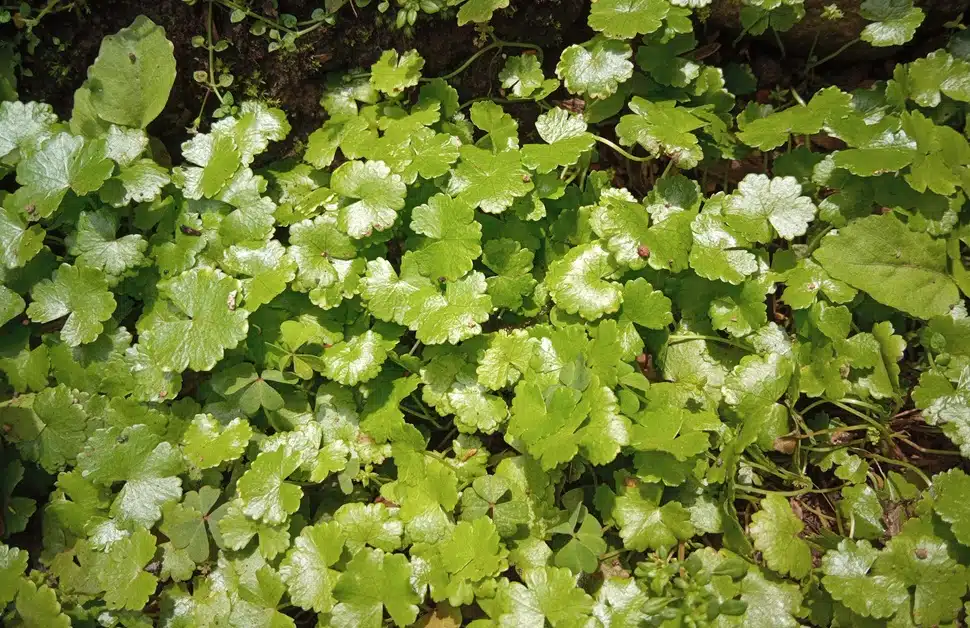
In any development, coming across an invasive non-native species can prevent you from being able to get planning permission, or at least, it will without the help of our team.
Arbtech focuses specifically on the planning side of things, providing targeted invasive species surveys for the plant you’re dealing with, or an earlier ecological survey like a preliminary ecological appraisal (PEA) if you need more of an overview of potential natural features on your site.
After an assessment has been completed, we can start to map the problem and create a viable management plan that your local planning authority will accept.
When dealing with invasive non-native plants, you need quick and reliable advice.
Our team of ecological consultants are experts in the regional distribution of such species, as well as the circumstances of the local area, likely animal and plant habitats, and the requirements of the local council.
Contact us today for a free quote, and with information directly from you, we can work out if you need an ecology survey, invasive species survey or something else. You can do this and start the process of addressing invasive non-native plants by emailing, calling or filling out a form on our website.

Editor at Arbtech, Rob is a content specialist who manages our ecology and arboriculture services copy to ensure it is accurate, up to date, and insightful for current and future clients.
Arbtech are your best asset when it comes to getting planning permission for your project. We cover the whole of the UK and we are waiting to get started on your project...
Get Your Free Quote