Why Choose Arbtech?
Watch this video to see why Arbtech are the best asset you can possibly have when you need ecology or tree surveys to help you obtain planning permission.
A Section 106 agreement is a binding legal contract between you and the local planning authority, potentially affecting the budget and timing of your development.
Get a better understanding of how it works by reading our informative page, and get in touch for any surveys to support your plans.



Last updated: October 2026

Editor at Arbtech, Rob is a content specialist who manages our ecology and arboriculture services copy to ensure it is accurate, up to date, and insightful for current and future clients.
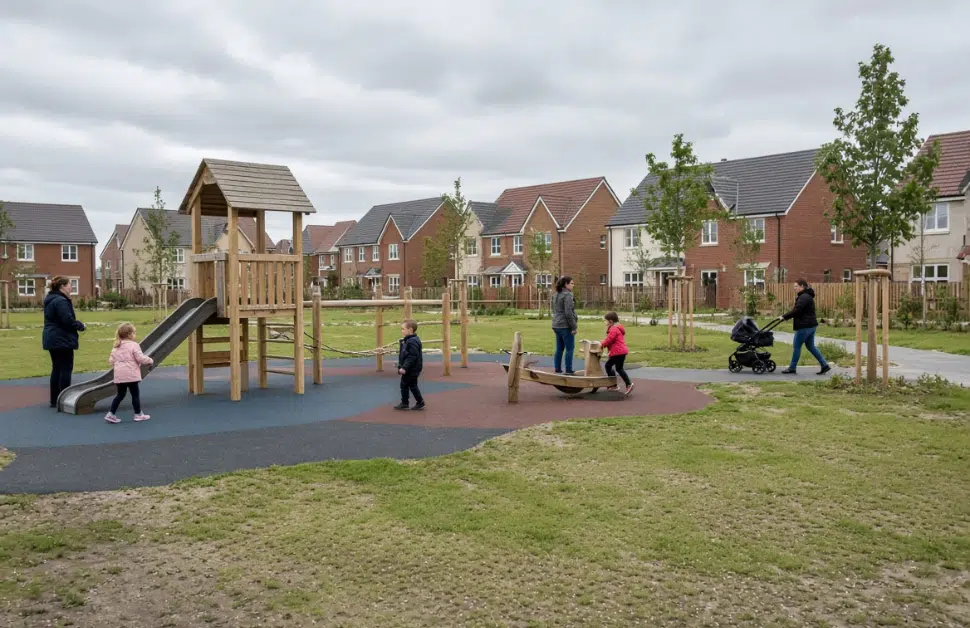
When working on new developments, builders and landowners often need to offset the immense impact of their planning projects on the region.
A growing population puts immediate and heavy pressure on schools, roads and healthcare, meaning that you sometimes need a robust mechanism in place for improving local infrastructure.
Without a clear system for upgrading essential services, a proposed development would likely be rejected outright by the local council.
To solve this problem and make the development acceptable in planning terms, local councils rely on a highly specific legal mechanism.
A Section 106 agreement is the ultimate tool for binding developers to the necessary upgrades and ensuring that planning projects achieve the green light.
The idea of a Section 106 agreement was brought about as a legally binding contract to bridge the gap between developers and the local planning authority, dealing with the planning obligations you need to meet to move your planning project forward.
Often shortened to being known as a Section 106, S106 agreements were formed under the Town and Country Planning Act 1990.
The deeds allow local councils to legally secure contributions from developers to directly offset the specific impact of the development site.
From commercial to residential development projects, the terms will vary depending on the specific local needs of the surrounding community.
It is incredibly easy to confuse a Section 106 with the Community Infrastructure Levy (CIL) in the planning process. In fact, however, they both serve entirely different roles on a development site.
The CIL is a non-negotiable tax governed by the designated Community Infrastructure Levy regulations to fund general municipal updates across an entire district.
In contrast to that, the site-specific contracts from S106 agreements focus on mitigation directly related to your exact plot of land.
Although the CIL funds large developments, an individual deed may force developers to build a playground right next to the site as a way of keeping the public open to the proposed plans.
The potential effect on ecology is a massive and unavoidable part of getting your build approved across the country, only growing more important since the arrival of biodiversity net gain (BNG).
Local councils routinely use exact legal agreements to enforce mandatory habitat improvements over a strict minimum thirty-year period.
If the development site cannot accommodate the required ecological enhancements on its own footprint, an alternative option is available to provide contributions to fund off-site habitats instead.
Our team can handle the necessary assessments in-house to ensure that all ecological requirements integrate perfectly with the rest of the planning application, preventing any late-stage delays.
At times, the financial realities of a planning project can shift drastically, making the original terms completely impossible to fulfil.
When a developer finds themselves in a frustrating situation like this, both themselves and other parties involved in the deed can formally negotiate what’s known as a deed of variation.
A deed of variation is a legal route that allows for requesting modifications to the conditions attached to the site, ensuring that the planning project remains financially viable to build.
At this point, developers need to provide information explaining exactly why the original terms no longer work, giving the local council clear and irrefutable evidence to reassess the situation.
Looking beyond the basic definitions helps developers and other people involved in planning understand exactly how these documents impact a site long after construction has finished.
The demands placed upon developers are rarely static, and working out how the long-term commitments function is essential for any land or property owner taking on a major project.
It is always wise to review the local council’s detailed infrastructure funding statement, which is published every financial year and maps out exactly how they spend the money collected from developers across the region.
Once a build has been completed or the land has been sold to someone else, the commitments don’t magically disappear. Instead, they are tied directly to the land itself as a local land charge, meaning that they transfer automatically and legally to future owners.
The critical rule ensures that the benefits agreed upon beforehand continue uninterrupted for decades, such as maintaining public open spaces or managing newly planted habitats.
During the conveyancing process, buyers will check for ongoing commitments before going ahead with purchasing a plot of land.
Whenever developers fail to meet their agreed duties on time, local councils hold significant legal power.
Unlike minor planning breaches, there’s no strict statutory time limit that prevents a local authority from enforcing deeds years down the line.
Local authorities can go as far as applying for an immediate court injunction to stop work entirely or step in to complete the required work themselves and bill the developer for the privilege.
From the perspective of a developer, ignoring commitments is incredibly risky for the bottom line and overall project success.
The financial burden of section 106 agreement deeds scales directly with the size, scope and impact of the planning project.
For major developments, the costs can be staggering, often involving substantial financial contributions towards new primary schools, road expansions and local healthcare centres.
The most common obligations often revolve around affordable housing contributions, where developers either need to designate a percentage of the homes as being relatively affordable or pay a hefty sum in lieu of building them.
Developers also need to account for local council monitoring fees, which are charged simply to check that they are complying with all active rules.
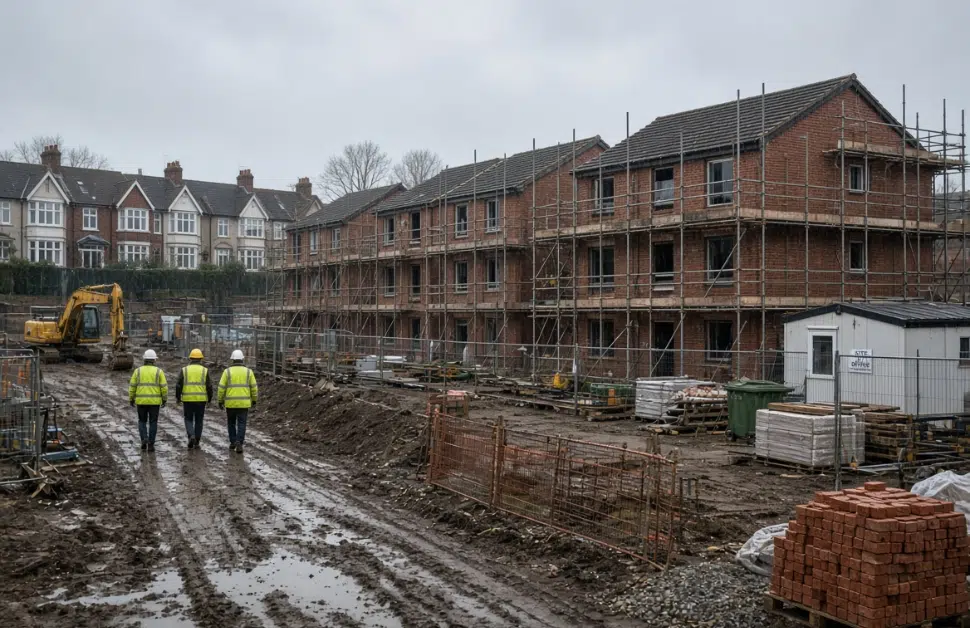
Waiting for the local council to dictate terms to you is the absolute fastest way to stall your development project and delay your final planning decision indefinitely.
You should proactively outline your developer contributions by putting together a comprehensive head of terms document right at the start of the project.
For smaller developments, you could even consider submitting a unilateral undertaking, which is a simplified and one-sided offer that entirely bypasses lengthy local council negotiations.
By taking the lead from the start, you integrate the costs seamlessly with other measures designed to offset your planning project’s environmental and social impact.
If you inadvertently address the legal and ecological requirements incorrectly after attempting to do it all without the right help, it could lead to costly mistakes and severe delays.
Arbtech offers trusted advice to help you handle everything, from ecological mitigation to moving forward through the planning process. And for anything we can’t do ourselves, we can put you in touch with expert partner companies from our established network of contacts.
For further information on how we can support you or a free quote for the services you need, get in touch with our team via our website, email or phone.
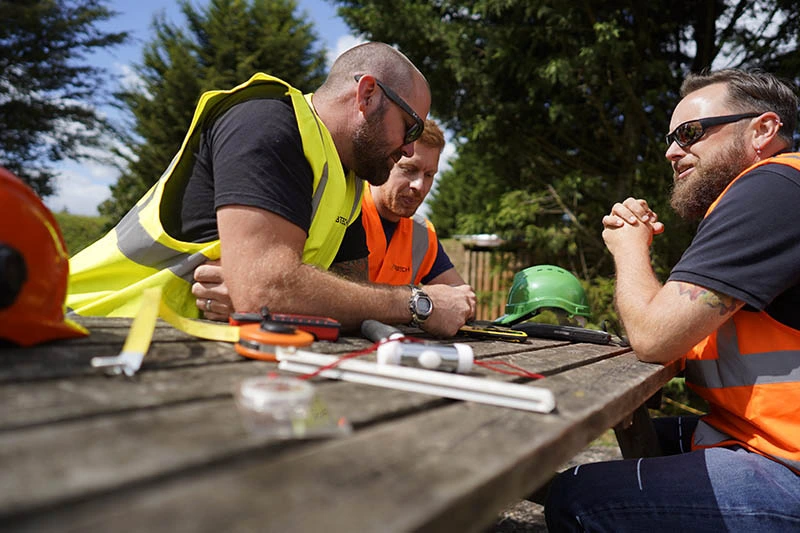
Arbtech are your best asset when it comes to getting planning permission for your project. We cover the whole of the UK and we are waiting to get started on your project...
Get Your Free Quote