Last updated: March 2026

Author: Rob Lambert
Editor at Arbtech, Rob is a content specialist who manages our ecology and arboriculture services copy to ensure it is accurate, up to date, and insightful for current and future clients.
A native species of crayfish known as the white-clawed crayfish could be on your development site, affecting your plans. See if you need a white-clawed crayfish survey by speaking to Arbtech today.



Last updated: March 2026
Editor at Arbtech, Rob is a content specialist who manages our ecology and arboriculture services copy to ensure it is accurate, up to date, and insightful for current and future clients.
A white-clawed crayfish survey confirms the presence of Britain’s only native crayfish on your site.
As they are a protected species, local planning authorities require these assessments to ensure your project won’t harm them or their habitat.
Our expert ecologists conduct surveys between July and September, using methods like manual searches, night torching and trapping.
We provide the scientific evidence and reports you need to satisfy planning conditions and secure necessary licences from Natural England.
When do you need a survey?
Works affecting rivers, streams, or ponds.
Bridge construction or culvert repairs.
Bank stabilisation and vegetation clearance.
Why choose Arbtech?
Speed: Get your report quickly to avoid project delays.
Certainty: We offer a money-back guarantee if our advice doesn’t get you planning permission.
Expertise: Our team is licensed and based across the UK for local, cost-effective service.
Contact us today for a free quote and keep your development on track.
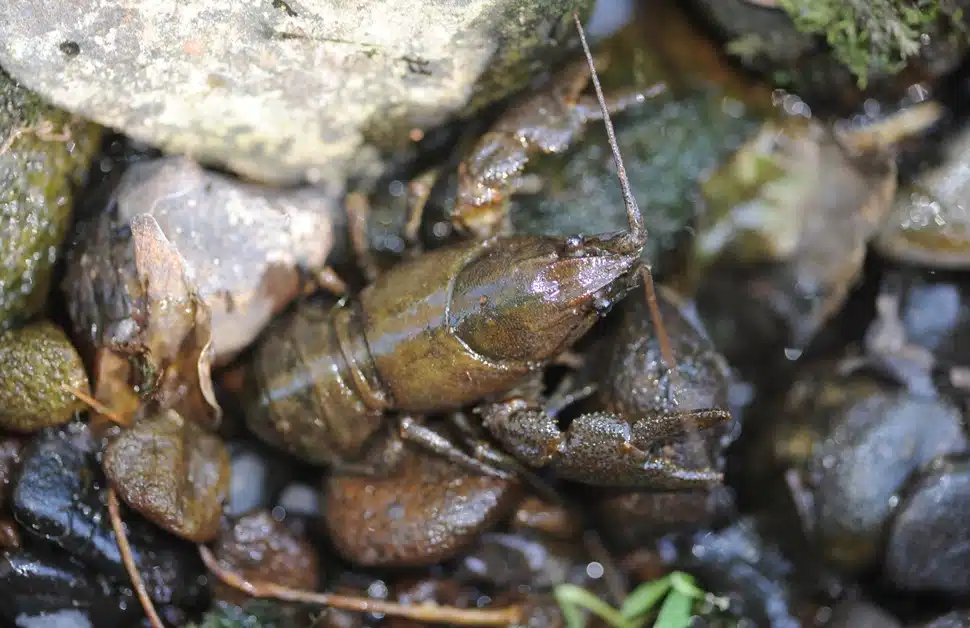
Unfortunately, the population of the white-clawed crayfish is in catastrophic decline, falling by more than 70% in recent decades. The threat has mainly come from the competition and disease caused by invasive non-native species, such as the American signal crayfish, which has spread rapidly ever since being introduced to the UK.
Not only does the American signal crayfish outcompete the white-clawed crayfish for food and habitat, but it also carries the highly infectious crayfish plague. The virus is fatal to the white-clawed crayfish but doesn’t harm the signal crayfish at all, allowing native species to die while non-native species are unaffected, sharing similarities to the situation with grey and red squirrels.
The white-clawed crayfish (Austropotamobius pallipes) is the UK’s only native freshwater crayfish species and serves as a key part of our river ecosystems. Instantly recognisable by the pale undersides of its claws, the small crustacean is usually a brownish-green colour. It is a vital food source for animals like herons, otters and large fish, and it also acts as an ‘ecosystem engineer’, keeping watercourses clean by grazing on decaying matter.
As for habitats, white-clawed crayfish thrive in clean and well-oxygenated water, taking shelter under rocks and submerged logs and within the roots of bankside trees. The decline in populations has led to them being classified as ‘Endangered’, making them fully protected by UK law, including the Wildlife and Countryside Act 1981.
Due to their habitat needs and protected status, any development project that could negatively affect water bodies – such as brooks, rivers, streams and quarries – will be scrutinised by the local planning authorities, and applications for planning permission will be up for debate until reassurances are provided.
A white-clawed crayfish survey will confirm or deny the presence of the protected species on or near the development site. The primary purpose of the assessment is to provide scientific evidence to the local planning authority, producing evidence that the proposed works will not legally harm or even remotely disturb the endangered animals or their habitat.
On the day of the survey, an ecological consultant will visit the site in person to conduct a detailed inspection of any watercourses. Results will then be displayed in a report, which can be passed on to the local authority as proof that the legal obligations have been followed.
The report will also include next steps, such as a mitigation strategy to enable the planning project to continue without breaking any laws, causing any delays or triggering planning refusal.
The process for investigating white-clawed crayfish on a development site is fairly straightforward, giving you a clear picture of the situation surrounding the species using a step-by-step assessment.
What makes our services so impactful is that our ecologists follow a proven methodology, use trusted techniques and operate during the most effective times. More information on this can be found in the space below:
To get a definitive result, our ecological consultants use a combination of methods, with the chosen options depending on the site’s conditions.
Manual Search: Carefully lifting logs, rocks and other potential refuges in shallow water to search for crayfish sheltering beneath them
Night Viewing (Torch-Lighting): Surveying at night using high-powered torches and scanning the banks and riverbed for active crayfish, which are far easier to spot after dark
Trapping: Only in deeper or murkier water where manual searching isn’t working, using baited, licensed and otter-safe crayfish traps overnight for a set period
As with lots of different protected species, white-clawed crayfish surveys are heavily restricted to a specific time of year.
In the case of white-clawed crayfish, the optimal survey season happens between mid-July and the end of September.
The window is strictly enforced because it’s the time when native crayfish are active but after the females have released their young, preventing surveys from disrupting the reproductive process.
Inspecting sites at other times of the year could disturb breeding females or harm vulnerable juveniles, making it crucial that surveys take place during this period and anyone who needs one plans ahead.
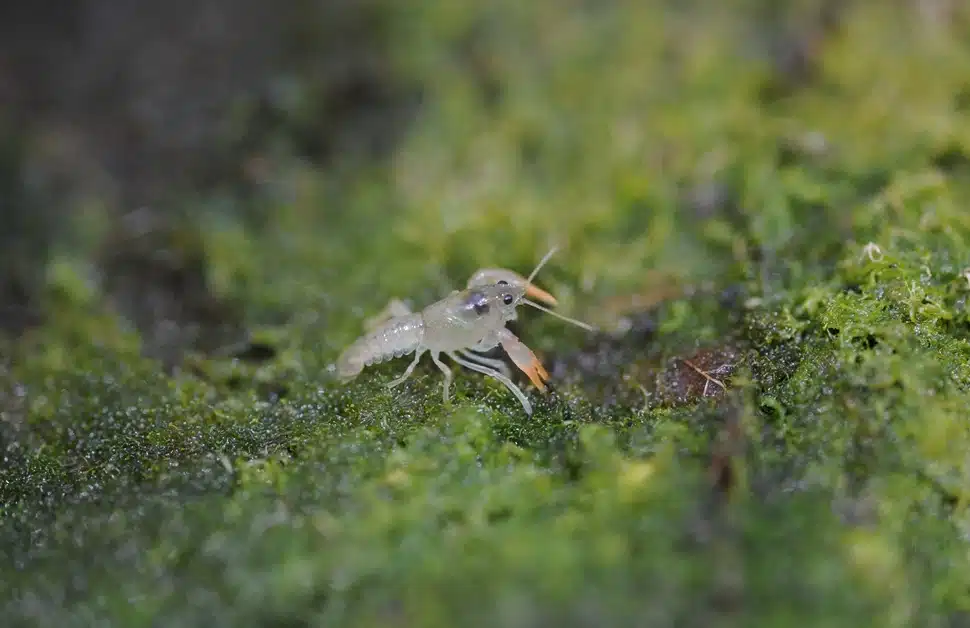
Whenever you’re facing a potential planning delay because of a protected species, you really need a team that is fast, pragmatic and reliable. With Arbtech, you get that and so much more, with our ecologists fully licenced, qualified, experienced and suitable for identifying all crayfish species on your site and giving you the effective help you need.
To date, our team has helped countless architects, developers and homeowners all over the UK to navigate the complexities of protected species and the impact they can have on planning projects. The expert advice we provide gets the job done, followed by reports capable of moving developments forward and urging your planning officer to grant planning consent.
The work we’ve undertaken over the years has granted us a solid reputation for cost-effective pricing and industry-leading turnaround times. From making an enquiry with us to getting your completed report, you will have our full attention, and no possibility will be ignored along the path to addressing white-clawed crayfish on your site.
If you’re developing an area on or near native or non-native crayfish, it is extremely likely that a white-clawed crayfish survey may be required. At very least, you could need a preliminary ecological appraisal (PEA) to work out if any crayfish species are present. Either way, our team are experienced with all sorts of matters affecting protected species and planning, including the issues of dwindling populations caused by the crayfish plague. With that, we can help with just about any problem impacting your development.
From conducting extensive research and performing a thorough assessment to putting together suitable mitigation measures and helping with protected species licences from Natural England, the team at Arbtech can guide you through every step. Find out if you need white-clawed crayfish surveys and get a free quote for the ecological survey services you need by emailing us, calling us or filling out the contact form on our website, and one of our team will be right with you.
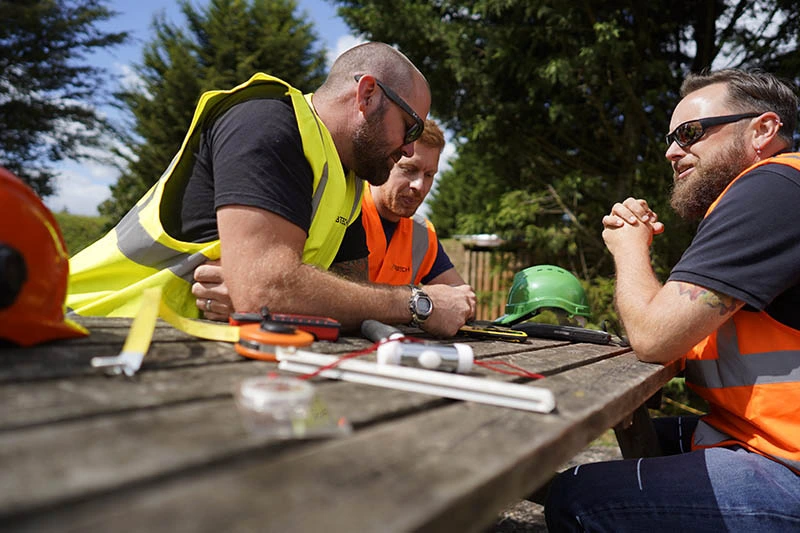
Arbtech are your best asset when it comes to getting planning permission for your project. We cover the whole of the UK and we are waiting to get started on your project...
Get Your Free Quote