Why Choose Arbtech?
Watch this video to see why Arbtech are the best asset you can possibly have when you need ecology or tree surveys to help you obtain planning permission.
If you need a site contamination report to support a planning application or property transaction, speak to our team about getting the expert assessment your project requires.



Site Contamination Report Quick Summary
A site contamination report is a formal assessment of the ground conditions on a development site, identifying whether contamination is present and what, if anything, needs to be done about it before the site can be safely developed or occupied.
Local planning authorities routinely require this type of report for sites with a history of industrial, commercial or agricultural use. Without one, planning permission is unlikely to be granted.
What we assess
Our consultants reporting on contaminated sites carry out detailed investigations to identify:
Why early engagement matters
Contamination issues discovered late in the planning process can cause significant delays and added cost. Commissioning a site contamination report early allows you to understand the ground conditions before committing to a purchase or design and ensures you have the right evidence ready when the LPA asks for it.
A site contamination report (sometimes called a contaminated land report, a ground investigation report or a phase investigation report) is a technical document that assesses the presence and extent of contamination on a parcel of land.
It is produced by qualified environmental consultants and submitted to the local planning authority as part of the planning application process if the aim is to develop land, or as a condition discharge requirement after permission has been granted.
The report adopts a four tiered approach, drawing on both desk-based research and physical investigation of the site. Its purpose is to identify whether contaminated land is present, to characterise the nature and extent of any pollutants, and to determine whether those pollutants pose an unacceptable risk to human health, controlled waters or the wider environment.
The term contaminated land has a specific legal meaning under Part IIA of the Environmental Protection Act 1990, but in the National Planning Policy Framework it is used more broadly to cover any land, specifically brownfield land, where past or present use has left substances in, on or under the ground that could affect the safety or suitability of the site for development.
Polluted land and contaminated land are closely related concepts: polluted land is land on which polluting substances have been deposited during past use, whether or not those substances currently present a risk to human health or the environment.
The report establishes not just the presence of pollutants, but whether they create a plausible pathway to a sensitive receptor and therefore potential risks, which is the key test for regulatory purposes.

Planning authorities require this report when there is reason to believe that a site may have been affected by past or present land uses. Rarely required on greenfield land, this preliminary risk assessment report is particularly common on brownfield land sites that have previously been used for:
Even sites that appear clean or have been vacant for many years can retain contamination from former site users, since many pollutants are persistent in soil and groundwater. For this reason, LPAs will often apply a planning condition requiring a contaminated land survey before development begins, particularly where the proposed scheme is sensitive, such as housing, schools, care homes or public open space.
The need for a report is not limited to large or complex developments. A single residential plot on former industrial land may require the same level of investigation as a major housing scheme, depending on the history of the land and surrounding area.

A report typically progresses through four phases, with each phase building on the findings of the last. The level of investigation required will depend on the complexity of the site, its historical use and the sensitivity of the proposed development.
The Phase 1 investigation is a desk-based exercise. This technical approach involves reviewing historical maps, aerial photographs, environmental records, planning records, Environment Agency data and other relevant sources to build a picture of how the site has been used and potential sources of contamination.
A site reconnaissance walkover is also carried out to collect information about current conditions, note any visual signs of contamination and identify unacceptable risks. Potential contaminant linkages and groundwater contamination will also be investigated during this site walkover survey.
The output of the Phase 1 is a preliminary risk assessment which indicates whether further investigation is warranted. For many previously developed or historically industrial sites, Phase 1 findings will indicate the need for a Phase 2 investigation.
This land contamination risk assessment moves from desk-based research to physical investigation of the ground to assess environmental risk and risk to human health. This intrusive investigation involves drilling boreholes, excavating trial pits and collecting soil and surface water samples, which are then sent to an accredited laboratory for chemical analysis.
The results are assessed against recognised screening criteria to determine whether there are any potentially hazardous contaminants present at concentrations that could pose a significant risk. The report sets out the findings, interprets the results in the context of the site’s proposed use and makes recommendations for any further assessment or action that may be required.
Where Phase 2 identifies significant quantities of contamination that needs to be addressed, or pollutant linkages, a remediation strategy is required. This document sets out how the contamination will be dealt with prior to or during development on such land. Common approaches to contaminated land remediation include:
The appropriate approach to environmental remediation depends on the type and extent of contamination, the proposed use of the site and cost-benefit considerations. Our consultants will advise on the most appropriate and cost-effective strategy for your specific site conditions.
Once remediation works have been completed, a verification report (sometimes called a validation report) is required to confirm that the strategy has been implemented correctly and that the site is now suitable for its intended use. This report should satisfy local authorities that there is no risk of significant harm and is typically required to discharge a planning condition before any new developments can be occupied.

This report is a technical document and its precise content will vary depending on the phase of investigation and the complexity of the site. However, as a general guide, a typical site contamination report example would include:
A report sample, or template, can give a useful indication of what to expect from the document, but every report must be tailored to the specific site and its history. Generic or off-the-shelf documents are unlikely to satisfy the requirements of a local planning authority, which will expect site-specific data and professional interpretation from qualified consultants reporting on contaminated sites.
A contaminated land survey is not a single visit, it is a structured process that follows established industry guidance, primarily the Land Contamination Risk Management (LCRM) framework published by the Environment Agency, as well as relevant British Standards and technical guidance from professional bodies.
The process typically follows these steps:
Our team manages the entire process, liaising with local councils and Environmental Health officers on your behalf, ensuring that every submission is complete and properly evidenced with the relevant information.
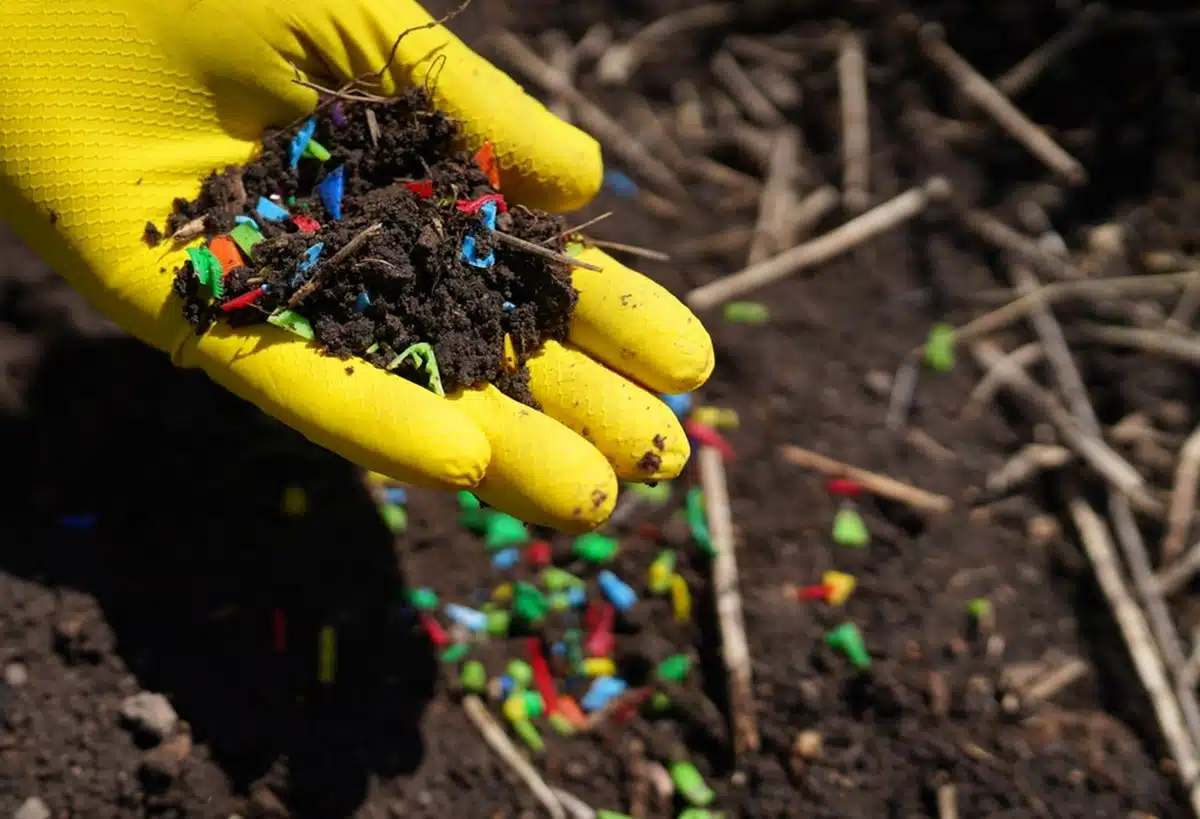
The quality of a site contamination report depends entirely on the expertise of the consultants producing it. Reporting on contaminated land is a specialist discipline that requires a thorough understanding of environmental receptors, geology, hydrogeology, risk assessment methodology and planning policy.
At Arbtech, our environmental consultants are experienced in producing contaminated land reports for a wide range of site types: from small residential plots to large commercial and industrial developments, enabling clients to make informed decisions. We are familiar with the generic assessment criteria expected by local planning authorities across the UK and understand how to present detailed site specific information in a way that satisfies regulatory requirements and moves the planning process forward.
We work closely with planning consultants, developers and architects to ensure that contamination is identified and addressed as efficiently as possible, to avoid costly delays.
Where a report identifies that remediation is required, we can support you through the design, tendering and verification stages of the contaminated land remediation process. Our consultants prepare remediation strategies that are proportionate to the risk, compliant with regulatory requirements and practical to implement within the constraints of your project programme and budget.
Environmental remediation is not always as costly or disruptive as it might sound. In many cases, the appropriate response is straightforward: a targeted excavation, a clean cover system or a simple gas protection scheme for ground gas.
Our consultants will help you understand what is actually required, rather than defaulting to the most conservative approach regardless of the evidence.
We work with accredited remediation contractors across the UK and can manage the remediation process end-to-end, from strategy through to verification reporting and LPA sign-off.

If you need this report for planning, for a property purchase or to discharge a planning condition, our team is ready to help. We will review your site, advise on the level of investigation required and provide a clear, fixed-price quote for the work involved.
Arbtech covers the whole of the UK, carrying out a range of ecology surveys including flood risk, tree surveys and protected species surveys as well as contaminated land services.
We are committed to producing reports that are thorough, clearly written and fit for purpose, giving your project the best possible chance of a smooth outcome.
For further information, contact us today to find out how we can support your project.

Gill is our Editor, with a background that combines journalism with land and estate management. Gill is a farmer’s daughter, an associate member of the RICS and has an interest in all things to do with agriculture and the countryside. Her free time is spent on the tennis court, walking and improving her cooking skills.
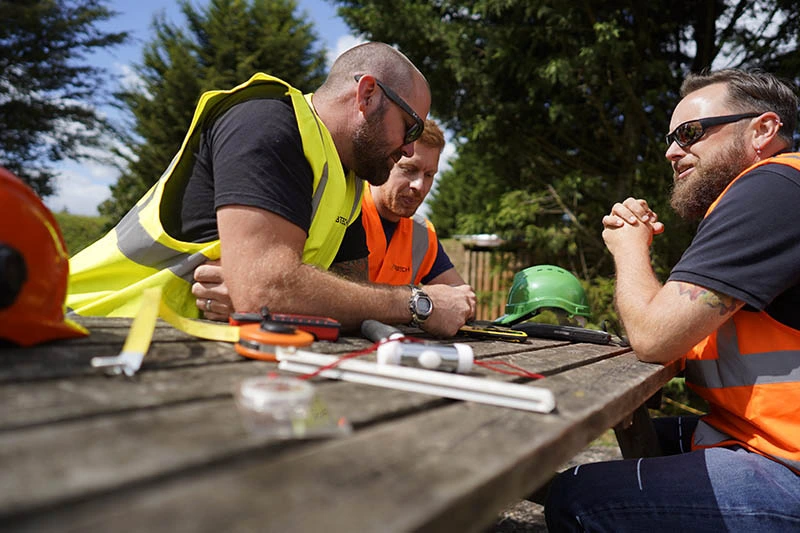
Arbtech are your best asset when it comes to getting planning permission for your project. We cover the whole of the UK and we are waiting to get started on your project...
Get Your Free Quote