We're the only ecology consultancy that will refund your money if you don't get planning based on our advice (terms apply)

Biodiversity Net Gain Requirements by Local Council

With local councils across the country given the option to expect a percentage increase higher than the national 10% mandate, our biodiversity net gain requirements page details the expectations from each of the local authorities.


Your Free Quote

Reviews.io reviews 4.3 Trustpilot reviews 4.3 Google reviews 4.2

Why Choose Arbtech?

Watch this video to see why Arbtech are the best asset you can possibly have when you need ecology or tree surveys to help you obtain planning permission.

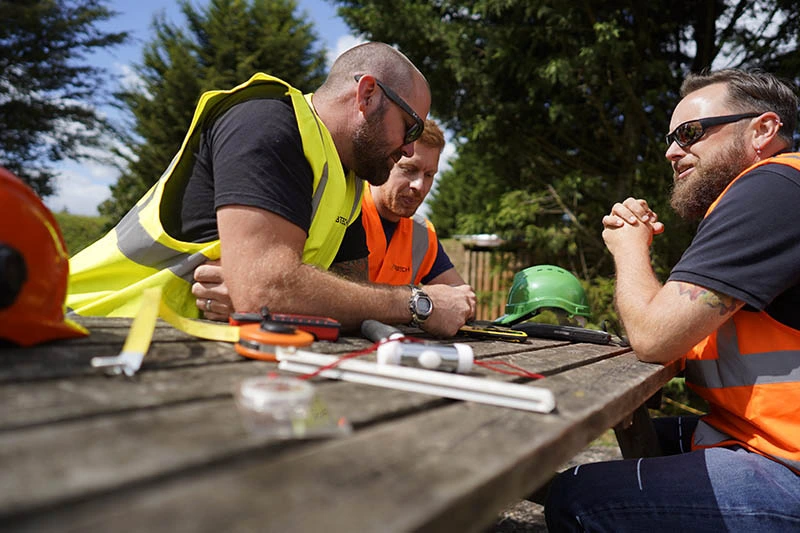
An ecologist and developer talking about biodiversity net gain requirements

BNG Percentage Increase Expected by Each Local Planning Authority

The mandatory requirement for biodiversity net gain (BNG) has seen the UK government put more of a focus on the natural environment when it comes to development proposals.

Under the statutory framework of the Environment Act 2021 and such legislation as the Town and Country Planning Act 1990, mandatory biodiversity net gain forces new developments to contribute towards improving biodiversity across England.

Although the statutory objective is to deliver at least a 10% BNG increase, local authorities may mandate a higher percentage if they’re given a reason to by the available supporting evidence in their planning policy.

Insisting on a higher increase of BNG represents a commitment to ensuring that planning projects result in a measurably better state for the local area and support biodiversity on a long-term basis.

How the Level of Increase Affects a Development

Between the national 10% net gain or a higher percentage, the specific increase set by the local council will determine the number of biodiversity units a developer needs to generate.

The target affects the approach to development from the earlier date of design. It has a significant impact on the floor space available for building, as on-site measures must be undertaken solely to enhance biodiversity or create biodiversity on-site.

Just like with achieving a 10% increase, if a local authority requires a 20% or 30% increase, the planning applicant needs to meet the requirement. Significant onsite habitat enhancements will be a priority in the hope of avoiding the potentially heavy financial burden of off-site BNG costs.

A predicted calculated biodiversity value must show measurable improvements over the pre-development value, often needing a complex landscaping plan to integrate BNG with habitat features like hedgerow units or watercourse units.

If it isn’t possible to achieve on-site targets within the red line boundary of the site, however, the alternative proposed approach would be to look towards off-site biodiversity gains instead.

Shifting to off-site solutions involves finding local opportunities to increase biodiversity on an area-wide basis. Developers and planners could secure off-site units from habitat banks or biodiversity gain sites to ensure that the development meets the biodiversity gain objective while taking account of local needs.

Biodiversity Net Gain Conditions Set by Local Authorities

When the relevant local planning authority reviews a valid planning application, they must ensure that the mitigation hierarchy set out in national policy is followed to prioritise on-site retention.

At the planning application stage, planners and developers must provide minimum information requirements to avoid delays at the validation stage. The information submitted as part of the application form should include detailed site plans and pre-development biodiversity value data.

If a planning applicant believes that the baseline value of the development site is negligible, they need to provide further details to the decision-makers to justify this opinion.

To successfully achieve biodiversity net gain, the person submitting the proposal must calculate the biodiversity value using the statutory biodiversity metric tool.

Once a planning project is granted planning permission, a biodiversity gain condition is usually applied as a pre-commencement condition. With it, a biodiversity gain plan must be submitted and approved before the development takes place.

For major developments, a habitat management and monitoring plan (HMMP) is a legal requirement to guarantee that the on-site biodiversity gains are legally secured for a minimum of 30 years. The planning obligations are formalised through section 106 agreements or conservation covenants with a responsible body, ensuring ongoing management and preventing potential enforcement action.

Each Local Council’s BNG Requirements

While national targets provide a baseline, local authorities may demand a higher percentage based on the identified scale of local nature recovery strategies.

Specific allocations are often found in produced guidance where existing local policies apply. Developers and planners need to provide evidence for how the area’s biodiversity is protected, as other policies may dictate measurable improvements across the transport network.

Elsewhere, transitional arrangements and transition period rules mean that for some outline planning permissions, existing policies apply until reserved matters are successfully discharged.

In the lists below, we’ve detailed the expected 30%, 20% or 10% increase for each local council:

30% Increase

  • London Borough of Tower Hamlets
  • Royal Borough of Kingston Upon Thames

20% Increase

  • Cambridge City Council
  • Canterbury City Council
  • Chelmsford City Council
  • Cherwell District Council
  • East Devon District Council
  • Elmbridge Borough Council
  • Forest of Dean District Council
  • Greater Cambridge Council
  • Guildford Borough Council
  • London Borough of Harrow
  • London Borough of Sutton
  • Maidstone Borough Council
  • Mid Sussex District Council
  • Mole Valley District Council
  • Sevenoaks District Council
  • South Cambridgeshire District Council
  • South Oxfordshire District Council
  • Surrey Heath Borough Council
  • Swale Borough Council
  • Uttlesford District Council
  • Vale of White Horse District Council
  • Wiltshire Council
  • Worthing Borough Council
  • Yorkshire Dales National Park Authority

10% Increase

  • Adur District Council
  • Amber Valley Borough Council
  • Arun District Council
  • Ashfield District Council
  • Ashford Borough Council
  • Babergh District Council
  • Barking and Dagenham London Borough Council
  • Barnet London Borough Council
  • Barnsley Metropolitan Borough Council
  • Basildon Borough Council
  • Basingstoke and Deane Borough Council
  • Bassetlaw District Council
  • Bath and North East Somerset Council
  • Bedford Borough Council
  • Bexley London Borough Council
  • Birmingham City Council
  • Blaby District Council
  • Blackburn with Darwen Borough Council
  • Blackpool Council
  • Bolsover District Council
  • Bolton Metropolitan Borough Council
  • Boston Borough Council
  • Bournemouth, Christchurch and Poole Council
  • Bracknell Forest Council
  • Bradford City Council
  • Braintree District Council
  • Breckland District Council
  • Brent London Borough Council
  • Brentwood Borough Council
  • Brighton and Hove City Council
  • Bristol City Council
  • Broadland District Council
  • Broads Authority
  • Bromley London Borough Council
  • Bromsgrove District Council
  • Broxbourne Borough Council
  • Broxtowe Borough Council
  • Buckinghamshire Council
  • Burnley Borough Council
  • Bury Metropolitan Borough Council
  • Calderdale Metropolitan Borough Council
  • Camden London Borough Council
  • Cannock Chase District Council
  • Castle Point Borough Council
  • Central Bedfordshire Council
  • Charnwood Borough Council
  • Cheshire East Council
  • Cheshire West and Chester Council
  • Chesterfield Borough Council
  • Chichester District Council
  • Chorley Borough Council
  • City of London Corporation
  • Colchester City Council
  • Cornwall Council
  • Cotswold District Council
  • Coventry City Council
  • Crawley Borough Council
  • Croydon London Borough Council
  • Cumberland Council
  • Dacorum Borough Council
  • Darlington Borough Council
  • Dartford Borough Council
  • Dartmoor National Park Authority
  • Derby City Council
  • Derbyshire Dales District Council
  • Doncaster City Council
  • Dorset Council
  • Dover District Council
  • Dudley Metropolitan Borough Council
  • Durham County Council
  • Ealing London Borough Council
  • East Hampshire District Council
  • East Hertfordshire District Council
  • East Lindsey District Council
  • East Riding of Yorkshire Council
  • East Staffordshire Borough Council
  • East Suffolk Council
  • Eastbourne Borough Council
  • Eastleigh Borough Council
  • Enfield London Borough Council
  • Epping Forest District Council
  • Epsom and Ewell Borough Council
  • Erewash Borough Council
  • Exeter City Council
  • Exmoor National Park Authority
  • Fareham Borough Council
  • Fenland District Council
  • Folkestone and Hythe District Council
  • Fylde Borough Council
  • Gateshead Metropolitan Borough Council
  • Gedling Borough Council
  • Gloucester City Council
  • Gosport Borough Council
  • Gravesham Borough Council
  • Greenwich Royal Borough Council
  • Hackney London Borough Council
  • Halton Borough Council
  • Hammersmith and Fulham London Borough Council
  • Harborough District Council
  • Haringey London Borough Council
  • Harlow District Council
  • Hart District Council
  • Hartlepool Borough Council
  • Hastings Borough Council
  • Havant Borough Council
  • Havering London Borough Council
  • Herefordshire Council
  • Hertsmere Borough Council
  • High Peak Borough Council
  • Hillingdon London Borough Council
  • Hinckley and Bosworth Borough Council
  • Horsham District Council
  • Hounslow London Borough Council
  • Hull City Council
  • Huntingdonshire District Council
  • Hyndburn Borough Council
  • Ipswich Borough Council
  • Isle of Wight Council
  • Isles of Scilly Council
  • Islington London Borough Council
  • Kensington and Chelsea Royal Borough Council
  • King’s Lynn and West Norfolk Borough Council
  • Kirklees Metropolitan Council
  • Knowsley Metropolitan Borough Council
  • Lake District National Park Authority
  • Lambeth London Borough Council
  • Lancaster City Council
  • Leeds City Council
  • Leicester City Council
  • Lewes District Council
  • Lewisham London Borough Council
  • Lichfield District Council
  • Lincoln City Council
  • Liverpool City Council
  • Luton Borough Council
  • Maldon District Council
  • Malvern Hills District Council
  • Manchester City Council
  • Mansfield District Council
  • Medway Council
  • Melton Borough Council
  • Merton London Borough Council
  • Middlesbrough Council
  • Milton Keynes City Council
  • New Forest District Council
  • New Forest National Park Authority
  • Newark and Sherwood District Council
  • Newcastle-under-Lyme Borough Council
  • Newcastle upon Tyne City Council
  • Newham London Borough Council
  • North Devon Council
  • North East Derbyshire District Council
  • North Kesteven District Council
  • North Lincolnshire Council
  • North Norfolk District Council
  • North Northamptonshire Council
  • North Somerset Council
  • North Tyneside Metropolitan Borough Council
  • North York Moors National Park Authority
  • North Yorkshire Council
  • Northumberland County Council
  • Northumberland National Park Authority
  • Norwich City Council
  • Nottingham City Council
  • Nuneaton and Bedworth Borough Council
  • Oadby and Wigston Borough Council
  • Oldham Metropolitan Borough Council
  • Oxford City Council
  • Peak District National Park Authority
  • Pendle Borough Council
  • Peterborough City Council
  • Plymouth City Council
  • Portsmouth City Council
  • Preston City Council
  • Reading Borough Council
  • Redbridge London Borough Council
  • Redcar and Cleveland Borough Council
  • Redditch Borough Council
  • Reigate and Banstead Borough Council
  • Ribble Valley Borough Council
  • Richmond upon Thames London Borough Council
  • Rochdale Metropolitan Borough Council
  • Rochford District Council
  • Rossendale Borough Council
  • Rother District Council
  • Rotherham Metropolitan Borough Council
  • Rugby Borough Council
  • Runnymede Borough Council
  • Rushcliffe Borough Council
  • Rushmoor Borough Council
  • Rutland County Council
  • Salford City Council
  • Sandwell Metropolitan Borough Council
  • Sefton Council
  • Sheffield City Council
  • Shropshire Council
  • Slough Borough Council
  • Solihull Metropolitan Borough Council
  • Somerset Council
  • South Derbyshire District Council
  • South Gloucestershire Council
  • South Hams District Council
  • South Kesteven District Council
  • South Norfolk District Council
  • South Ribble Borough Council
  • South Downs National Park Authority
  • Southampton City Council
  • Southend-on-Sea City Council
  • Southwark London Borough Council
  • Spelthorne Borough Council
  • St Albans City and District Council
  • St Helens Borough Council
  • Stafford Borough Council
  • Staffordshire Moorlands District Council
  • Stevenage Borough Council
  • Stockport Metropolitan Borough Council
  • Stockton-on-Tees Borough Council
  • Stoke-on-Trent City Council
  • Stratford-on-Avon District Council
  • Stroud District Council
  • Sunderland City Council
  • Surrey Heath Borough Council
  • Swindon Borough Council
  • Tameside Metropolitan Borough Council
  • Tamworth Borough Council
  • Tandridge District Council
  • Teignbridge District Council
  • Telford and Wrekin Council
  • Tendring District Council
  • Test Valley Borough Council
  • Tewkesbury Borough Council
  • Thanet District Council
  • Three Rivers District Council
  • Thurrock Council
  • Tonbridge and Malling Borough Council
  • Torbay Council
  • Torridge District Council
  • Trafford Metropolitan Borough Council
  • Tunbridge Wells Borough Council
  • Wakefield Metropolitan District Council
  • Walsall Metropolitan Borough Council
  • Waltham Forest London Borough Council
  • Wandsworth London Borough Council
  • Warrington Borough Council
  • Warwick District Council
  • Watford Borough Council
  • Waverley Borough Council
  • Wealden District Council
  • Welwyn Hatfield Borough Council
  • West Berkshire Council
  • West Devon Borough Council
  • West Lancashire Borough Council
  • West Lindsey District Council
  • West Northamptonshire Council
  • West Oxfordshire District Council
  • West Suffolk Council
  • Westminster City Council
  • Westmorland and Furness Council
  • Wigan Metropolitan Borough Council
  • Winchester City Council
  • Windsor and Maidenhead Royal Borough Council
  • Wirral Borough Council
  • Woking Borough Council
  • Wokingham Borough Council
  • Wolverhampton City Council
  • Worcester City Council
  • Wychavon District Council
  • Wyre Borough Council
  • Wyre Forest District Council
  • York City Council
An ecologist making notes following a BNG assessment

Meeting the BNG Requirement for Your Local Authority

If you’re aiming to meet the rules of mandatory BNG, the identified scale of your project and the relevant date of the application will affect how you go about doing it.

The requirement applies to most cases of development, but there are certain types of exempt developments. Common BNG exemptions include householder applications, retrospective planning permissions and urgent crown development projects.

In addition to that, the de minimis exemption applies to small development projects affecting less than 25 square metres of on-site habitat or 5 metres of linear habitats.

The rules no longer apply to other developments, such as permitted development, simplified planning zones and local development orders, as well as BNG exemptions if the original permission predates the two-year transition period that ended on 12 February 2024 for large sites and on 2 April 2024 for small sites.

Factors Affecting Biodiversity Net Gain Delivery

For a lot of non-major development, minor development and small development sites, the small sites metric is used to calculate the post-development biodiversity value. A different DEFRA metric calculation tool is used, with variables such as the strategic significance multiplier and threshold of 0.5 hectares playing a role in planning decisions.

Self-build and custom build applications are often exempt, but it can apply to custom housebuilding if the site consists exclusively of self-build dwellings. Even for exempt developments, however, the development management procedure needs to minimise impacts on irreplaceable habitats.

If your development site contains important habitats, you may need to purchase off-site biodiversity units to avoid an adverse effect on the area’s biodiversity.

Get Effective Support with Biodiversity Net Gain

Working with biodiversity net gain means addressing how your development impacts the environment and working out ways to enhance the biodiversity value to a level seen as acceptable by the local planning authority.

In most developments and other cases that aren’t as typical, understanding BNG regulations and the wider planning application process can be difficult for developers and planners, regardless of how experienced you are.

With the right help, you can get the expert advice and land management assistance you need. Even if your planning project involves a custom building development, phased development or a development forming a part of a larger scheme, our team can assist you to achieve BNG by integrating a robust biodiversity net gain plan into already firm proposals.

After we’ve evaluated the onsite biodiversity value on your proposed development site, we can work out how to meet the BNG target. If it isn’t possible to see a measurable increase in biodiversity on your own land, we can help you to support biodiversity via offsite biodiversity options from external land managers.

Contact Arbtech by calling, emailing or completing a quote form. Once you’ve given us further information about your site and project, we can ensure compliance with your development plans and guarantee that you meet all LPA requirements.

Common Questions

While a temporary exemption exists for householder development and very small sites, most new developments must comply with the biodiversity net gain regulations. An important role of your ecologist is to check the LPA requirements for any consequential amendments that might affect your project unless exempt. Providing further information early ensures that existing habitats are protected and your BNG plan is approved prior to the start of activities being carried out on-site.
When plan-makers mandate a 20% or 30% increase, the above factors can significantly impact a priority habitat or the overall site area available. For nationally significant infrastructure projects (NSIPs) or any development subject to the planning system, all the information is reviewed as part of the planning process. If you hit a site with high distinctiveness, the metric rules apply strictly to prevent biodiversity loss.
The number of BNG units required is determined by biodiversity metric calculations using the BNG metric. The process compares the pre-development value to the post-development value to ensure that you achieve at least 10% biodiversity net gain. The final figure will vary depending on the habitat type lost and the habitat created. It is good practice to provide detailed habitat information early to avoid negative impacts on the publication date of your application.
Under the National Planning Policy Framework (NPPF) and planning practice guidance, developers must follow the biodiversity gain hierarchy. Any habitat creation or enhancement must be secured through a legal agreement or planning conditions and must be secured for at least 30 years. You must also provide a statement setting out how you will enhance habitats and avoid habitat loss on land owned or managed for sustainable development.
If you cannot deliver biodiversity net gain within your redline boundary, you must secure off-site gains at off-site locations. There are three ways to do this: through habitat banking, securing offsite biodiversity units, or by purchasing credits under government guidance. If you choose to purchase statutory biodiversity credits, you must provide reasons why you couldn't enhance existing habitats or create green spaces locally.
You must submit a detailed biodiversity plan as part of your planning requirements. It should include additional information, such as the onsite biodiversity value and a plan for biodiversity enhancements, helping to demonstrate that habitat lost will be replaced by a positive impact on other habitats over a 30-year period. Your application must also include a completed metric that accounts for existing biodiversity and helps the decision-making process regarding new homes or commercial development.
Local development plans or the local list will state if such policies require a significant enhancement beyond the national minimum. Information on planning permissions granted and decision notices for existing planning applications is usually available via the council portal. If your application relates to householder development, you may be exempt from BNG, though Natural England and DEFRA provide further guidance regarding habitats within the redline boundary.
To satisfy your legal obligation, you must prioritise significant on-site gains like on-site linear habitats or installing bat boxes to support wildlife habitats. If you cannot reach the target on-site, you must look for offsite gains through the biodiversity gain site register. As a last resort option, you may buy statutory biodiversity credits from the Department for Environment, Food and Rural Affairs (DEFRA). In exceptional circumstances, biodiversity credits purchased may involve two credits of statutory credits to replace one unit of low distinctiveness habitat. Ultimately, planning consent depends on your approved prior submission protecting the area's biodiversity from the date immediately following your application.

Ready to Get Started?

Arbtech are your best asset when it comes to getting planning permission for your project. We cover the whole of the UK and we are waiting to get started on your project...

Get Your Free Quote


Are you sure you want to leave without a free quote?

Get a Quote

No thanks, I don't need a quote