

As the UK grapples with an environmental crisis, the National Trust is making a bold move to boost biodiversity nationwide. To mark the Trust’s 130th birthday, plans have been launched for one of the most ambitious nature-restoration projects ever seen in the UK. We take a look at what’s being planned.
The National Trust’s plan to boost nature in the UK
The National Trust’s ambitious vision to restore 250,000 hectares of land in the UK over the next decade represents one of the largest commitments to protecting and revitalising the natural environment in modern times. It aims to address one of today’s key challenges – loss of biodiversity – via a range of projects to improve natural areas and increase people’s access to green space. This initiative aims to connect rural areas, towns and cities, and urban environments through thriving green space and blue spaces featuring lakes and wetlands, offering both ecological and social benefits.
As national statistics increasingly show, the UK has lost a significant proportion of its tree cover and natural green space compared to some decades ago, particularly in urban areas where human activity has led to fragmentation and limited access to nature. The Trust’s vision recognises the importance of restoring these precious places not only for biodiversity but also for public health in terms of enabling physical activity, well being and social cohesion.
Access to green space provides numerous benefits
In urban parks, public green space, and on green roofs, the presence of vegetation plays a vital role in tackling issues such as air pollution and the urban heat island effect, which leads to increased temperatures during the summer months. Through green infrastructure planning, introducing a wider range of tree species and other types of vegetation, local authorities can help mitigate carbon emissions and improve air quality, particularly in deprived areas where residents often have limited access to public green and blue spaces.
The plentiful accessibility and availability of natural spaces when compared to other places with limited green space reveals clear disparities across the UK. Research shows that local communities in wealthier districts often enjoy good access to green spaces and woodland, while deprived areas and urban areas are more likely to suffer from green gentrification, where improvements to the local environment inadvertently drive up property prices and push out long-standing residents.
The societal benefits of green space
The mental health benefits of exposure to the natural environment are well documented, with studies demonstrating a lower incidence of anxiety, depression, and other chronic diseases among people who regularly spend time outdoors. Access to public green space encourages physical activity, supports social interaction, and helps foster a sense of belonging and social cohesion within neighbourhoods.
The UK government, in partnership with conservation charities like the National Trust, is increasingly recognising the large impact that green infrastructure planning can have on human health and climate resilience. By working with local councils, landowners, and local communities, the National Trust’s plan will help create different types of natural green space suited to both urban areas and rural settings. From green roofs in city centres to woodland corridors across rural areas, these interventions will not only enhance biodiversity but also ensure that every person has the opportunity to connect with nature.
As research shows, even small increases in tree cover and vegetation type can lead to higher levels of biodiversity, cleaner air, and improved well being for residents. In this way, the restoration of 250,000 hectares of green space is more than an environmental goal – it’s a movement toward a healthier, more connected, and more resilient United Kingdom.

What is the National Trust?
The National Trust is a charitable conservation body founded in 1895 to preserve areas of countryside and protect them from encroaching industrialisation. The Trust’s influence grew following two World Wars, when it worked to save many country houses from demolition.
The National Trust owns and manages almost 250,000 hectares in England, Wales and Northern Ireland, comprising farmland, historic parkland, woodlands and nature reserves. Most of the farmland is let to tenant farmers, while some is managed by the Trust. It also manages 500 historic properties, 890 miles of coastline and is the biggest conservation charity in Europe.
Today, in the face of accelerating biodiversity loss and climate change, the Trust is not only working to protect the countryside but also wants to deliver improvements to the natural world by restoring huge areas of green space.

How is the National Trust planning to restore nature?
The Trust aims to increase initiatives to restore nature on the land it owns as well as areas beyond that. It wants to increase people’s access to green space, especially those living in urban areas, and encourage people to act to protect the environment.
The National Trust’s Director-General Hilary McGrady said:
For 130 years the National Trust has responded to the crises and challenges of the time. Today, nature is declining before our eyes and climate change is threatening habitats on a colossal scale. Meanwhile, millions of people can’t enjoy the benefits that green space and heritage bring. So, we will ramp up our work to restore nature, both on our land and beyond our boundaries. We’ll work to end inequality of access to green space and cultural heritage. And we will inspire millions more people to take action to protect the things we all need to thrive.
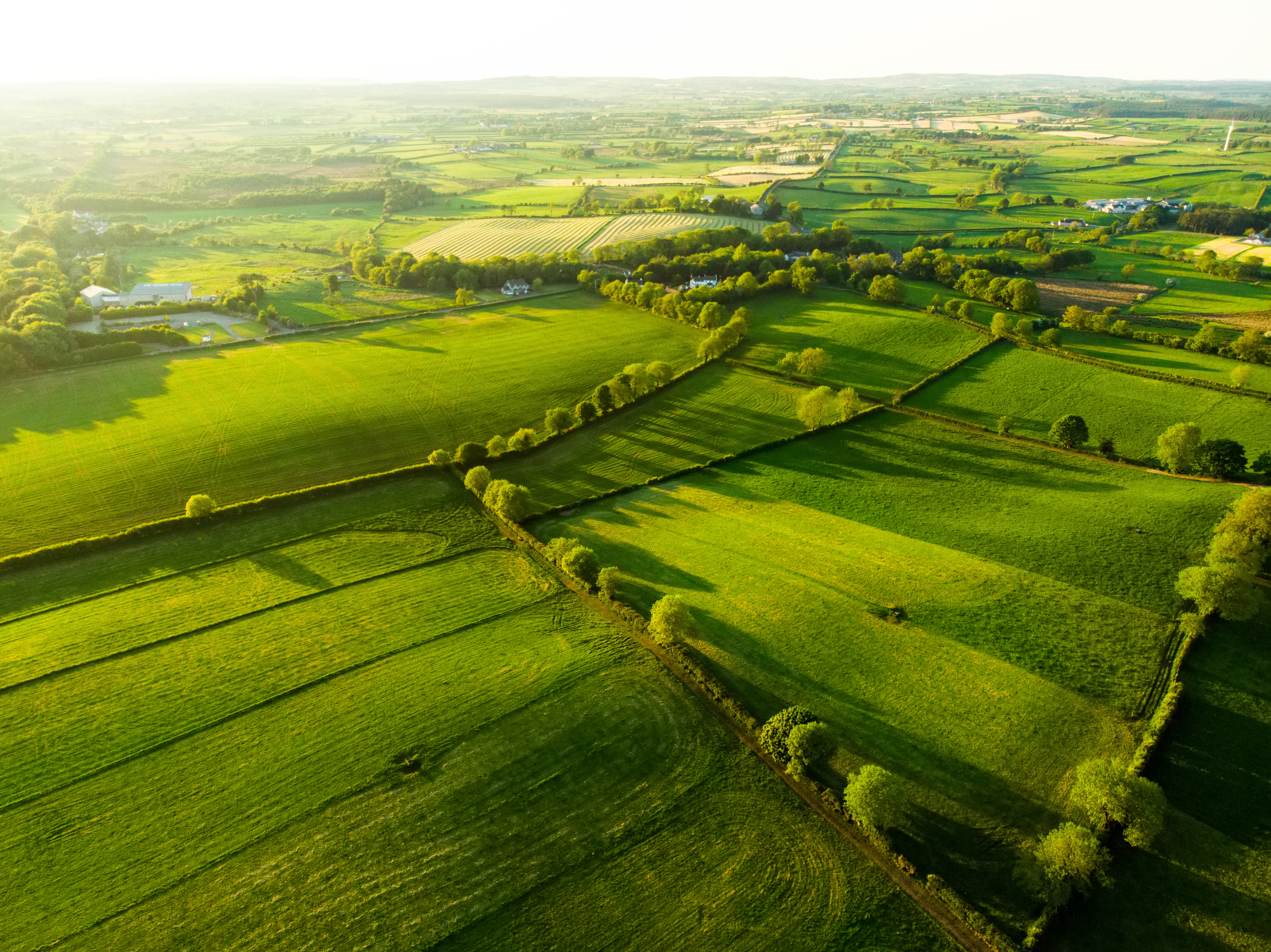
By working with farmers, landowners and communities, the Trust aims to create 250,000 hectares of green space featuring biodiverse landscapes by 2035; an area that’s one and a half times the size of Greater London. The Trust has restored 25,000 hectares of priority habitat landscapes over the last decade, involving peatland restoration and creating wetlands, woodlands and saltmarshes: this new initiative aims to restore ten times that amount of land.

What are the main green space strategy aims?
- Revive key habitats and reconnect landscapes by planting nature-rich mosaics to create resilient networks that wildlife can thrive in.
- Restore peatland which stores carbon; reduce flood risk and improve soil health.
- Improve water quality in rivers.
- Support landowners to manage land with nature at the forefront of plans.
- Improve people’s access to the natural environment: enabling more people to spend time in the natural world will encourage physical activity, provide mental health benefits and alleviate the UK’s mental health crisis.
- Working with founding partners Natural England and The National Lottery Heritage Fund, the Trust is encouraging cities and towns to join its Nature Towns and Cities initiative launched in summer 2025. This £15.5 million urban strategy aims to support 100 towns and cities to combat air pollution and improve their public green space provision.
How can people get involved?
The initiative aims to inspire five million more people to make nature a priority and give their time, their voice or donations. Volunteers with the Trust or partner organisations can improve local areas of importance to them. Fundraising initiatives include `Adopt a Plot’, offering people the opportunity to sponsor a plot for nature recovery at a site they choose. The first six `Nature Super Sites’ have been chosen and include areas in Northern Ireland and Northumberland.
How is the National Trust publicising its strategy?
The Trust has appointed high-profile ambassadors and launched campaigns to bring nature into public consciousness. It is co-producing a new natural history series with The Open University for BBC One titled: `Hamza’s Hidden Wild Isles’, which follows cameraman Hamza Yassin as he films wildlife in the four countries of the UK.
The Trust has also launched an apprenticeship scheme for 130 young people in a range of careers including gardening, countryside management, tech and finance.
What initiatives are under way?
- Tree-planting this winter: nearly 500,000 new trees are to be planted across England, creating 519 hectares of wildlife-rich habitat.
- Wildflower meadows: 90 hectares of meadows are being planted in Devon, growing from just 2 % to 40 % coverage, benefiting a wide range of wildlife from butterflies to bats.

Green space offers connectivity and hope
While the National Trust’s plan is about reinstating biodiversity, it’s also about giving people the opportunity to connect with nature. By improving access to a large amount of green space, people living in urban environments will benefit from opportunities for physical activity in fresh air, supporting their mental health which has become one of the main health-related issues of our times.
The National Trust’s plan is an invitation for those who care about nature and conservation to take part, by volunteering, funding, or advocacy, to help make the next decade witness a reviving and thriving natural world.