A Guide to Our Disappearing Wildlife
The United Kingdom is often described as one of the most nature-depleted countries in the world. Centuries of industrialisation, agricultural intensification and urban expansion have fundamentally altered our landscape. While some species have been lost to the history books, many other species are critically endangered and now stand on the brink of extinction.
The statistics are a stark reminder of what we have lost over the last century and the importance of understanding which animals are now at risk, and why. This knowledge is the first step towards meaningful conservation and responsible land development.
Here, we offer an overview of the historical losses, currently extinct and endangered animals and threats to UK wildlife. As a leading ecological consultancy, Arbtech is committed to helping developers and landowners navigate the complexities of biodiversity conservation while ensuring their projects move forward.
The UK’s Extinct Animals
Extinction is not just a global phenomenon; it has shaped the British Isles for millennia. Many of our most iconic animals disappeared due to hunting and habitat loss long before modern records began.
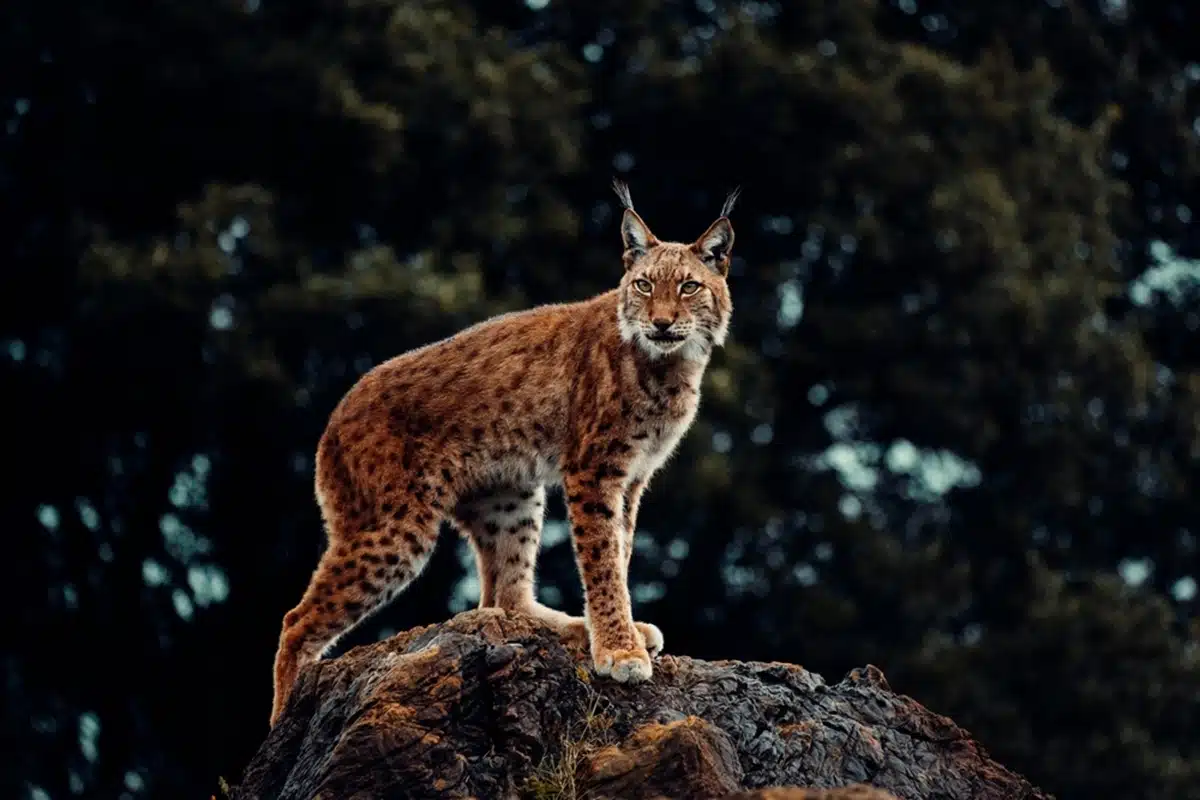
Lynx: Once frequenting British woodlands, the Eurasian lynx was a specialist hunter of roe deer. It disappeared approximately 1,500 years ago and was declared extinct in the UK, though recent discussions regarding rewilding have brought this elusive cat back into the public eye.
Wolf: Persecuted for centuries as a threat to livestock, the last wild wolf in the UK is believed to have been killed in the 1700s.
Great Auk: A flightless bird often called the “northern penguin,” the Great Auk nested on remote Scottish islands. It was ruthlessly hunted for its feathers and eggs: the last British pair was killed in 1840 and the species is considered extinct.
The Short-haired Bumblebee and Large Copper Butterfly: Both species have become presumed extinct in the wild over recent decades.
On the Brink: The UK’s Most Endangered Wildlife
Today, the threat of extinction is driven by a triple threat: climate change, habitat fragmentation and pollution. According to recent studies, over 200 species in the UK face an “ecological point of no return” by 2050 if action is not taken.
In the UK, species are assessed using recognised systems such as the IUCN Red List, which categorises wildlife based on their level of risk.
Alarmingly, around one quarter of Britain’s native mammals are now at risk of extinction according to The Mammal Society, highlighting the scale of the loss of biodiversity and natural resources across the country.

The Birds, Mammals and Insects Most At Risk
Birds
Curlew: Numbers are declining across much of the UK.
Merlin: Britain’s smallest bird of prey is currently facing a sharp decline due to changes in moorland management and climate-driven habitat shifts.
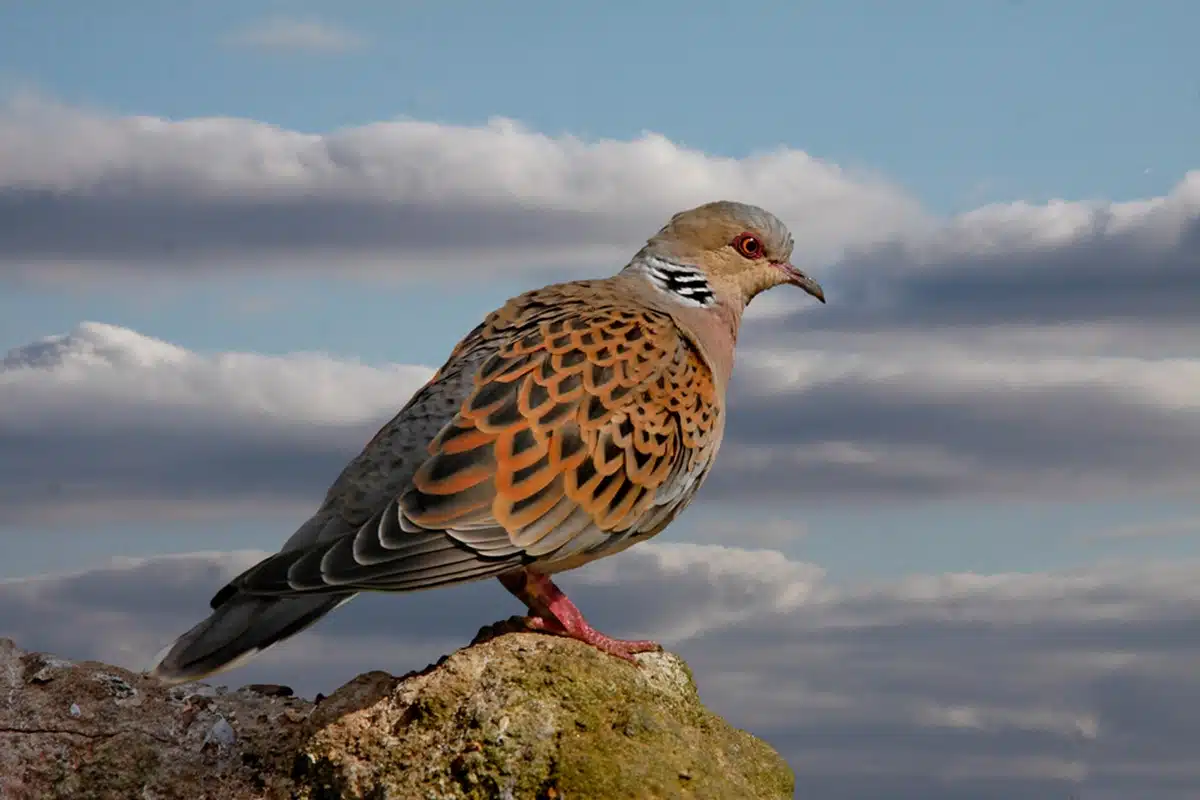
Turtle dove: Numbers are rapidly declining due to habitat loss.

Mammals
Red Squirrel: Once common across the UK, the red squirrel is now largely confined to Scotland and parts of Northern England. The introduction of the invasive grey squirrel, which carries the deadly squirrel pox virus, has decimated their numbers.
Water Vole: Habitat loss and predation by American mink have made the water vole the UK’s fastest-declining mammal.
Scottish wildcat: One of the UK’s rarest native mammals: reintroduction schemes are underway in Scotland to encourage a self-sufficient population.
Hedgehogs: Sightings of hedgehogs are increasingly rare in rural areas due to habitat fragmentation and pesticides.

Invertebrates and Pollinators
European Bees: Nearly 100 species of wild bees are threatened with extinction: Bumblebees, solitary bees and hoverflies are particularly at risk in the UK. As primary pollinators for our crops and wildflowers, their loss represents a significant threat to our food security.
Butterflies, moths and insects: Many species are in decline due to environmental change. The number of threatened European butterfly species increased by 76% over the last decade.
Non-pollinating invertebrates: Terrestrial invertebrate species are declining: earthworm numbers have reduced by between 33% and 41% over the last 25 years. Spiders and centipedes which predate crop pests are also in decline.
Amphibians and reptiles: All are vulnerable to habitat fragmentation. The northern pool frog is `critically endangered’, while the natterjack toad, sand lizard and smooth snake are `endangered’ or `vulnerable.’

Why Species Decline: The Modern Challenges
The decline of UK wildlife is rarely the result of a single factor. Instead, it is a combination of several systemic issues; most relating to human activity or climate change. The main threats to many animals include:
Habitat Fragmentation: New developments, roads and habitat destruction can cut off wildlife populations, leading to inbreeding and local extinctions.
Agricultural Intensification: The use of pesticides and the removal of hedgerows has reduced biodiversity and left many species without food or shelter.
Climate Change: Rising temperatures are forcing species to migrate northwards, often into areas where the necessary habitat does not yet exist.
Pollution: The impact of pollution is wide-ranging: it can affect air, water and soil quality.
Invasive species: Frequently, invasive plants and animals will outcompete native wildlife.
Rising sea levels: Combined with changing weather patterns, rising seas create threats from flooding and habitat loss, changing the historic range of many species.

Conservation and Recovery Efforts
Despite the challenges, there are ongoing efforts to protect and restore the UK’s wildlife.
Conservation actions include:
- Habitat restoration and protection play an important role
- Species reintroduction programmes
- Legal protection for endangered and protected species
- Sustainable land management practices
There have also been positive developments, with some threatened species and other animals returning after long absences. For example, certain butterflies once thought extinct have recently been recorded again in parts of the UK.

How Development and Conservation Can Coexist
At Arbtech, we believe that progress and nature do not have to be at odds. Through rigorous ecological surveying and strategic planning and conservation actions, developers can actually contribute to nature recovery and ensure that they are not the biggest threat to nature.
Developments must assess their potential impacts on wildlife, and in many cases, ecology surveys are required before planning permission can be granted. This ensures that species at risk are protected and that biodiversity is preserved wherever possible.
Failure to properly consider threatened species can result in planning delays, additional costs or refusal of permission.
Biodiversity Net Gain (BNG)
Since early 2024, most developments in England are legally required to provide a 10% biodiversity net gain. This means that a project must leave the local environment in a better state than it was before construction began.
Habitat destruction must be compensated for as part of conservation efforts for plant and animal species on a development site.
Protected Species Surveys
If your site is home to endangered or protected species, you have a legal obligation to ensure they are not harmed. Arbtech provides expert surveys for:
- Bats: All UK bat species are protected by law.
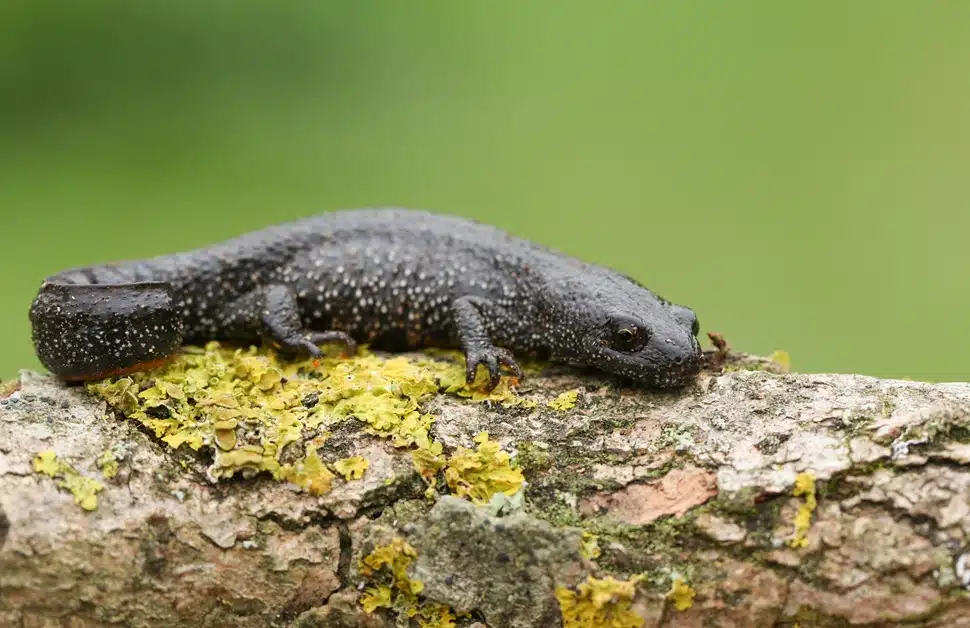
- Great Crested Newts: We use eDNA sampling to quickly determine their presence.
- Badgers, Water Voles and Dormice: Identifying these species early prevents costly project delays.
Protect the Future of UK Wildlife
Whether you are a developer seeking planning permission or a landowner interested in rewilding, our team of licensed ecologists is here to help.
We provide the surveys and reports you need to satisfy local planning authorities while ensuring the UK’s endangered animals have a fighting chance. Contact us for a free quote.